
All Categories
Our Blog
Discover insights, updates, and stories from our team
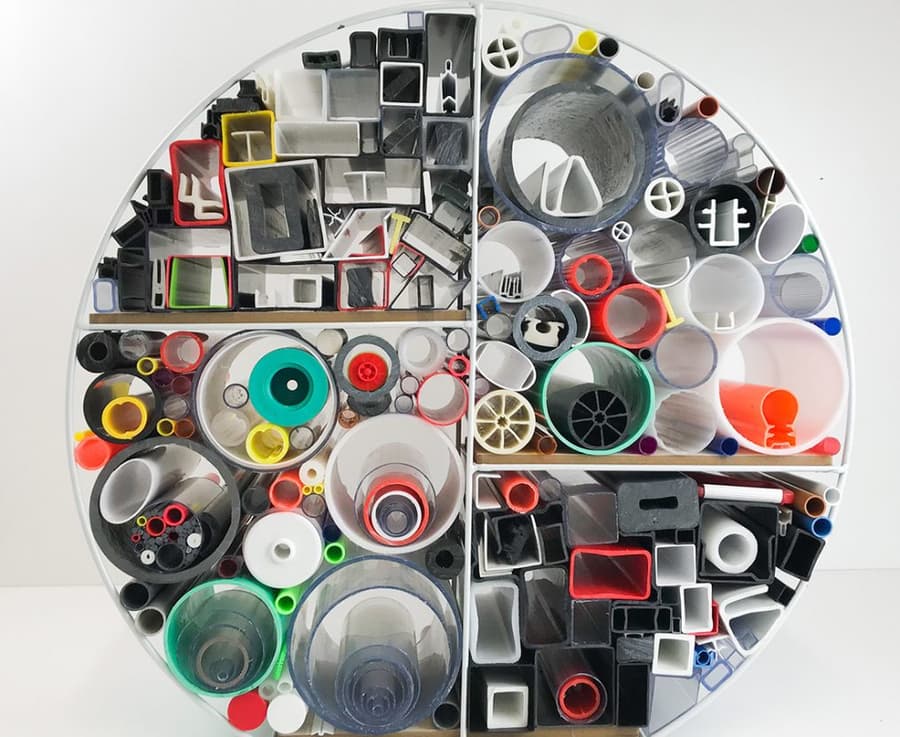
Selecting the correct extruded acrylic tube (PMMA, EXTRUDED) for a pressure installation is a critical step that ensures safety, durability and cost optimisation for the project. In this article we explain in straightforward terms how to select the wall thickness of an extruded acrylic tube so that it meets the technical requirements and is safe for long-term use.
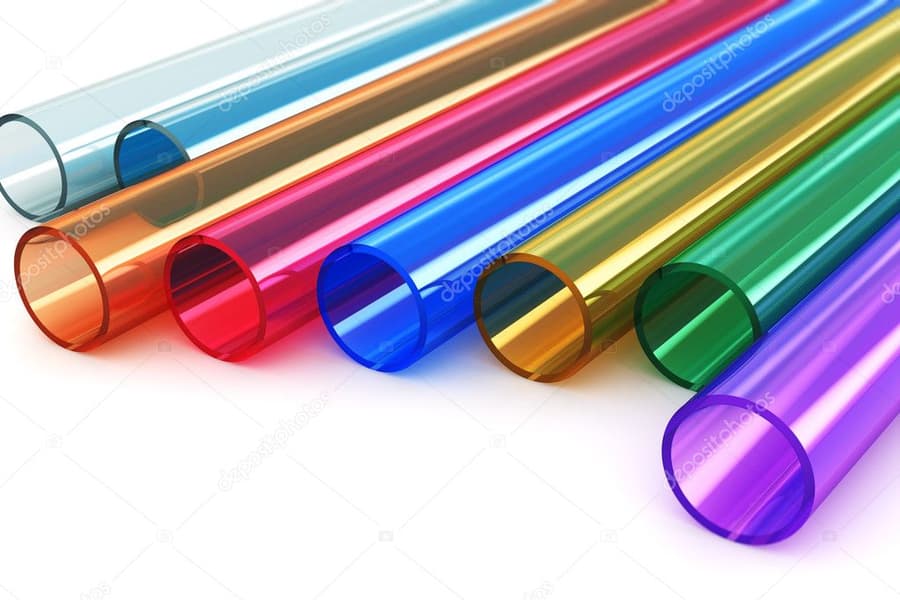
Selecting the correct wall thickness of a cast acrylic tube (PMMA, CAST) is a critical element in designing installations that operate under internal pressure. A wall that is too thin can lead to deformation or tube failure, while one that is too thick generates unnecessary costs and complicates integration with other structural elements. In this guide we show you how to select a cast acrylic tube in a way that is safe, economical and consistent with good engineering practice.

Choosing the correct wall thickness of a polycarbonate (PC) tube is one of the most important steps in designing pressure systems, technical enclosures and industrial structures. A wall that is too thin risks tube failure, while one that is too thick unnecessarily increases costs. In this article we present a proven formula, a calculation example and production tolerances to help you select a polycarbonate tube safely and economically.
Catalog (nominal) dimensions are only a reference point. In real production, plastic tubes and rods always have permissible deviations — and these tolerances determine whether a part will fit correctly in fittings, holders, sockets, bushings, or seals (e.g. O-rings).